Fast first aid and CPR training can feel complex initially look. Service providers make use of phrases like "express first aid course", "fast CPR correspondence course" or "child care first aid level C", frequently without plainly explaining what each CPR plus first aid certification course one really covers.
If you only consider the timetable and rate, you take the chance of walking out with the wrong first aid certificate for your task, your market, or the actual emergencies you are most likely to deal with. I have actually seen individuals complete a short CPR course believing they were workplace certified, only to discover they still required a full first aid course prior to they might start a new role.
This guide disentangles the main course degrees, describes what "fast" or "express" truly indicates, and helps you choose a first aid and CPR course that fits your objectives and timetable, without cutting corners on safety.
Why speed matters, yet content matters more
Fast first aid courses and express CPR training exist for an excellent reason. Individuals are busy, certifications expire, and employers commonly offer short notification before a begin day or an audit. I routinely see:
Managers contacting a Thursday afternoon, needing 3 team via first aid and CPR training classes before Monday.
Parents reserving an express childcare first aid course due to the fact that their daycare setting begins next week. Health and wellness specialists squeezing a fast CPR refresher course right into a lunch break.In those scenarios, a fast first aid course or fast cpr alternative can be a lifesaver for your routine. The secret is making sure the much shorter schedule does not remove out vital skills.
An excellent express first aid training provider shortens downtime, not the discovering. They restructure, mix online and classroom job, and streamline evaluation. They do not avoid vital first aid skills like hemorrhaging control, use an AED, or handling an unconscious casualty.
When you compare fast first aid courses, look past words "fast" and ask: what level is it, and what does that level actually mean?
How first aid and CPR course degrees are generally structured
Different countries and companies utilize a little different tags, but the structure often tends to follow the same reasoning. There is a ladder of intricacy:
Basic life support and CPR at the bottom, after that broad office first aid, followed by more advanced or specific training such as childcare or remote location first aid.
At a high degree:
CPR only
General first aid (commonly called "Give First Aid", "Criterion First Aid", or comparable) Advanced or job-related first aid Specialized streams, such as childcare first aid or sports first aidFast first aid training can occur at any one of these degrees. A 2 hour express cpr course, an eventually fast first aid course, or a condensed innovative program spread across a few nights are all feasible. What matters is the web content that sits beneath the label.
CPR courses versus full first aid training
One of the most common points of complication is the distinction between CPR courses and a full first aid and cpr course.
CPR training concentrates on cardiac arrest, unresponsiveness, and use of an AED. You discover exactly how to:
Recognize cardiac arrest, call for aid, and begin chest compressions
Provide rescue breaths if needed for your guideline or workplace 
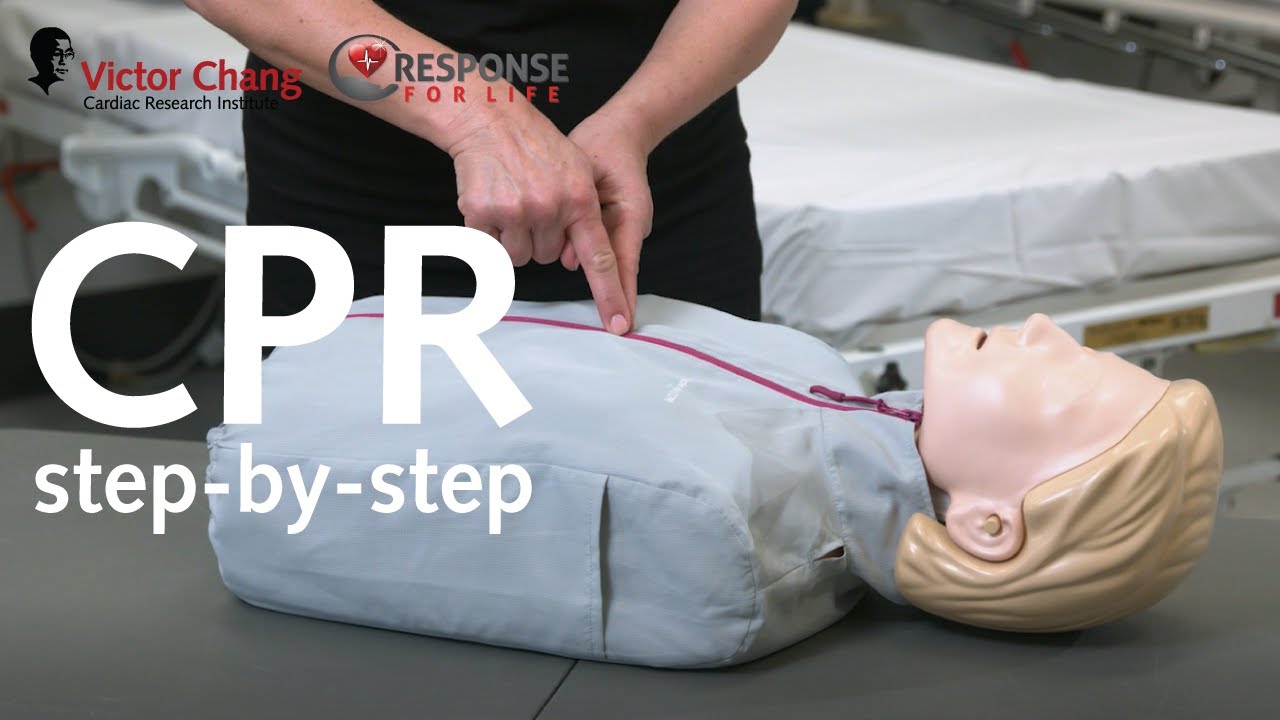
A fast cpr course can legally be short, occasionally around 1 to 2 hours in the class, specifically when combined with pre‑course online concept. This functions well since high‑quality CPR training is deliberately repeated and hands‑on. You spend the majority of the moment on manikins practicing compressions and cycles of breaths.
In contrast, a full first aid course or combined first aid and cpr courses expand far beyond heart attack. A detailed first aid and cpr training class must cover subjects such as:
Severe blood loss, shock, and injury care
Typical medical emergencies like bronchial asthma, anaphylaxis, seizures, and diabetic emergencies Cracks, strains, and soft cells injuries Environmental problems like heat fatigue or hypothermia, depending upon your region Fundamental first aid for eye injuries, burns, and minor woundsIf a course is marketed as a fast first aid course but is only 2 hours long, it is almost certainly CPR just or a really narrow ability. For a lot of work environments and professional duties, you will certainly require a full first aid certificate that includes CPR, not just stand‑alone CPR courses.
Quick reference: usual course names and what they normally mean
This is just one of both lists.
- CPR training, fast cpr, or express cpr course: Focused on heart attack, compressions, rescue breaths, and AED usage. Frequently 1 to 3 hours, sometimes mixed with on-line theory. First aid and CPR course, basic first aid, or basic first aid training: Wider emergencies, consisting of CPR. Frequently a complete day face to face, or shorter with pre‑course e‑learning. Express first aid or fast first aid courses: Very same content as the typical degree, however delivered with on-line pre‑study or compressed schedules. Express childcare first aid course: Focused on babies and kids, allergies, asthma, and childcare settings. Often called for in education and learning and early childhood years roles. Advanced or job-related first aid (sometimes called fap first aid or similar local tags): Deeper evaluation abilities, oxygen, multiple casualty monitoring. Longer overall, even if some components are fast‑tracked.
Different service providers utilize slightly various names, so always review the course synopsis, not just the title.
What "fast" and "express" really suggest in practice
From the trainer side of the room, a fast first aid course does not imply less material. It normally implies:
More work prior to you get here. You full theory online, see videos, or overcome interactive components at your own speed. In‑person time is reserved for questions, circumstances, and assessments.
Faster changes and tighter breaks. There is less downtime between activities and demos. You could run scenarios back‑to‑back. 
This design works very well for individuals who:
Are renewing a first aid certificate and currently have actually real‑world experience
Usage first aid and CPR abilities at the workplace and want a reliable refresher Learn effectively from online components and are self‑disciplined sufficient to finish pre‑course job properlyIt is less excellent for individuals who are:
Completely new to very first aid
Distressed regarding emergency situations Not certain with technology or reading thick material onlineWhen a student who has never done first aid appears for an express first aid course without completing the e‑learning, they typically battle. I have actually had to reschedule more than one individual that can not demonstrate the needed understanding throughout evaluation because they thought the "fast" choice would certainly be less complicated, not simply shorter.
Understanding express first aid and childcare‑specific courses
Specialized programs like express childcare first aid training combine basic first aid with pediatric‑specific understanding. A solid express child care first aid course should consist of:
Recognition of major disease in infants and youngsters, such as blood poisoning red flags
Paediatric CPR variants, including compression depth and ratios Choking monitoring for babies and toddlers Bronchial asthma and anaphylaxis monitoring tailored to early discovering settings Practical scenarios that match real childcare situations, such as play ground injuries or allergic reactions throughout mealsMany regulatory authorities require child care employees and early childhood educators to hold a particular level of first aid and cpr certificate that specifies to youngsters. An express child care first aid course can satisfy those needs, offered it is lined up with your regional standards.
Express child care first aid courses can be extreme. You cover a great deal of material in a condensed home window, frequently with extra emphasis on interaction with parents and emergency situation solutions. If you are new to working with youngsters, you might favor a standard‑length course initially, then switch over to express child care first aid refresher training for renewals.
Blended understanding and fast certification
Fast certification is usually implemented with combined learning. That implies component of the first aid training occurs online, and part happens in person.
From a high quality viewpoint, blended first aid and CPR courses can function quite possibly when:
The online components are interactive, not just a long PDF.
You can stop and return to, so you can spread out the discovering throughout a couple of evenings. The in‑person session is clearly focused on hands‑on method and assessment of vital skills. You still have sufficient time face‑to‑face to ask concerns and repeat abilities up until they really feel natural.
Fast first aid courses supplied completely online are a different story. Simply on the internet first aid training might give you a certificate, however it does not let an instructor correct your hand setting throughout compressions or examine that you can roll a subconscious person securely into the healing position. Several sectors and regulators do decline fully on-line first aid training for specifically this reason.
If you see an express first aid course that claims you can complete whatever online without any practical component, beware. Ask your employer or licensing body whether that type of first aid certificate serves. In many cases it is not.
Finding a fast first aid course near you that still meets standards
Searching for a "fast first aid course near me" will provide you plenty of choices, yet not all brief courses are equal. When you contrast carriers, check out a number of details instead of simply choosing the very first ad.
First, determine the level you in fact need. Is your company requesting for a general first aid certificate, a mixed first aid and CPR course, or something market details like express child care first aid? Matching the degree appropriately matters more than cutting half an hour off the timetable.
Second, inspect the provider's recognition in your area. Are they accredited or formally identified by the relevant wellness or training authority? Do major companies, colleges, or community companies in your area use their first aid and cpr courses?
Third, read the moment failure. A reputable fast cpr refresher course might list 2 hours online plus 1 hour in person. A full fast first aid training day might reveal 4 to 5 hours in the classroom, plus pre‑course e‑learning. If a provider markets "complete first aid and CPR course in 60 mins with no practice", that is a red flag.
Finally, consider renewal and support. Some companies send suggestions when your first aid certificate is about to expire, or deal marked down fast cpr courses for returning students. That can make revivals much much less stressful.
What to expect in a fast first aid and CPR class
The rhythm of an express first aid course feels somewhat various from a standard one, although the core tasks are similar.
You generally get here having already finished theory parts online. The fitness instructor will quickly examine key concepts, make clear any kind of complex components from the e‑learning, and then relocate promptly into presentations and method. You may cycle through:
CPR terminals for grownups, youngsters, and infants
AED use on various training devices Situations that involve 2 or three simulated clients with different priorities Bleeding control drills with plasters and tourniquets, if consisted of in your syllabus Substitute asthma or anaphylaxis occasions, commonly utilizing trainer auto‑injectorsBecause time is tight, there is even more focus on operating in pairs or tiny teams to maintain everybody energetic. You ought to anticipate to invest a substantial section of the session on your feet, performing abilities, not being in a chair paying attention to slides.
Assessment in a fast first aid course is typically constant. As opposed to a lengthy examination at the end, the fitness instructor checks your skills during each circumstance or activity. That lowers pressure but only functions if you remain engaged from the start.
Wear comfy garments, bring water, and do the online theory effectively. Skimming or missing the pre‑course job is the solitary largest reason individuals fall back or feel overloaded in an express first aid training session.
How long are certificates valid, and when to make use of fast refreshers
Most nations need first aid certifications to be renewed every 2 to 3 years, and CPR much more often, commonly annually. Exact time frames differ, however an usual pattern is:
First aid and CPR combined certificate: legitimate for 3 years, with recommendation to refresh CPR skills every 12 months.
Standalone CPR courses: valid for year.Fast cpr refresher courses and express first aid refresher training are developed for these renewals. They think you have already learned the material comprehensive a minimum of when. Throughout refreshers, teachers can concentrate on:
Updates to guidelines, such as modifications in recommended compression depth or sequence
Locations where real‑world cases reveal people frequently wait, like beginning compressions on older patients or using an AED in public Reconstructing muscle memory so your hands go instantly to the correct position on the chestIf it has been many years because you last participated in any kind of first aid training, or if you have actually never utilized the abilities in technique, you might benefit a lot more from a full‑length course as opposed to an express refresher. A fast certification technique functions best as upkeep, not first learning.
An easy checklist for selecting a fast first aid or CPR course
This is the second and last list.
- Confirm the degree you require: CPR only, full first aid and cpr, childcare first aid, or advanced/fap first aid. Check acknowledgment: is the service provider accepted by your company, regulatory authority, or industry? Read the format: is it mixed (on the internet concept plus classroom) or online? Is there appropriate hands‑on practice time? Match the rate to your experience: select express first aid courses if you are positive and renewing, common courses if you are new or nervous. Look at renewal choices: will certainly you have accessibility to future fast cpr courses or express first aid refresher options to keep your certificate current?
Keep that checklist handy when you compare fast first aid courses side by side.
The trade‑off between "brief" and "too short"
As a person who has actually viewed several classes from the front of the room, I have a clear sense of when a routine goes across from "effective" right into "harmful". A fast first aid course can function very well when it presses still time, relies upon strong pre‑course understanding, and keeps class dimensions affordable so every participant has actually hands‑on practice.
It stops working when:
Class sizes are so large that individuals barely touch the manikins.
The timetable leaves no time for rep, questions, or consolidation. Teachers feel pressured to rush previous scenarios to maintain to the clock. Learners usage "fast" as a reason to miss the on the internet components and expect a shortcut on assessment.First help and CPR training are not merely boxes to tick for conformity. When somebody breaks down in front of you, there is no time to look up a video. The high quality of your first aid course, fast https://jsbin.com/qezeriravo or otherwise, straight influences just how confident and decisive you will be in that moment.
If you are battling to choose in between a 3 hour express first aid course and a 5 hour version that plainly consists of even more practice, ask yourself which one you would desire your colleague to have actually taken if they were the person beginning CPR on you.
Bringing it together
Fast first aid, express cpr courses, mixed first aid training and childcare‑specific programs all exist to make life less complicated without reducing capacity. They allow busy individuals preserve capability, meet workplace demands, and feel all set to act, despite tight schedules.
The best approach is to be intentional. Choose what degree of first aid and cpr course you require, choose a trustworthy carrier, and afterwards determine whether a fast or basic routine suits your knowing design. Usage fast certification as a tool, not a shortcut. When you do that, a well‑designed express first aid course becomes exactly what it should be: a focused, efficient course to real‑world readiness.