A full day of first aid training can really feel intimidating when you first take a look at the schedule. Then you see associates going out of fast first aid courses stating, "It was a great deal, yet I feel all set currently," and you start to wonder whether a single day truly can prepare you to act in a crisis.
I have actually taught and developed first aid and CPR training for years, including express first aid courses for offices that might not save staff for longer programs. Succeeded, a fast first aid course is not a shortcut in the unsafe sense. It is a focused, very carefully structured finding out experience that offers you a strong first aid certificate and sensible confidence in one long, concentrated day.
Done inadequately, it is a blur of PowerPoint slides that leaves you with a card in your wallet and little else.
The distinction depends on expectations, structure, and how honestly you deal with the trade-off in between speed and deepness. Let us walk through what a really reliable fast first aid course looks like, what it can cover, and just how to evaluate whether it matches your real‑world needs.
What "Fast-Track" Truly Means
When training service providers promote a fast first aid course, they are typically discussing among 3 layouts:
A full one-day blended course where concept is completed online ahead of time and the in person day focuses on technique and assessment. A compressed classroom day that satisfies the minimum time and material needed by a regulator or recognizing body. An express first aid refresher course where the learner already holds an existing or lately ran out certificate.The very first format, the mixed fast first aid training model, is usually one of the most effective. Learners full online components at their very own pace, typically over a number of days, after that participate in a solitary in‑person day to place everything into practice. That face‑to‑face day can be genuinely hands‑on instead of a rush with slides, since the ideas are currently familiar.
The second format can work, yet it is more demanding, especially for individuals new to first aid and CPR. If every min of the day is utilized well, you can still complete experienced and positive. If time is shed to admin, hold-ups or undistinct training, the course becomes demanding for everyone.
The third, the express first aid correspondence course, is suitable for people whose abilities are mostly there yet a bit rusty. Fast CPR correspondence course in particular serve for healthcare workers, security team, and child care experts that make use of CPR training usually sufficient to bear in mind the fundamentals, however want upgraded guidelines and fresh practice.
Short does not indicate shallow necessarily. Short indicates the course designer has to be fierce concerning what matters most when a person is not breathing, is hemorrhaging greatly, or is having a seizure, and what can fairly be entrusted to longer or professional training.
What You Can Realistically Learn In One Day
When I intend a single‑day first aid and CPR course, I start from a basic question: "What do I want this person to be able to do in the first ten mins of a clinical emergency situation?"
The response guides the core topics. A strong one‑day fast first aid and CPR course normally covers:
Cardiopulmonary resuscitation (CPR). That suggests identifying cardiac arrest, calling for assistance promptly, executing high‑quality upper body compressions, and making use of an automated exterior defibrillator (AED). The very best fast CPR courses give you multiple rounds of hands‑on practice, not just a demonstration.
Airway and breathing troubles. You ought to leave able to take care of choking in grownups, youngsters, and infants, identify breathing problems such as bronchial asthma attacks, and know exactly how to put a person in the recuperation position.
Serious bleeding and injuries. You require to understand how to use direct stress, use bandages and improvised dressings, manage ingrained objects, and recognize when a tourniquet or hemostatic clothing could be called for in your setting.
Shock and flow issues. Not the book physiology, however the sensible indicators: light, chilly, sweaty skin, fast pulse, transformed mindset. And how to react with peace of mind, positioning, and fast activation of emergency services.
Common clinical emergency situations. The majority of fast first aid courses cover at the very least the fundamentals of seizures, strokes, cardiovascular disease, allergic reactions, and diabetic emergencies. You discover what signs to look for and what to do while waiting on paramedics.
Minor injuries. Burns, strains, nosebleeds, and minor cuts appear straightforward, yet they are where people usually improvise terribly. An excellent teacher will provide you useful, low‑tech methods you can utilize in the house or at work.
Those who deal with kids may rather pick an express child care first aid course, or an express childcare first aid training day that adds pediatric‑specific content: baby CPR, febrile convulsions, choking in kids, and common playground injuries. I have seen childcare personnel visibly relax as soon as they have practiced these abilities on child‑sized manikins, because the fear of "What if something takes place on my watch?" has been resolved with genuine technique, not simply theory.
The first aid and CPR material might seem like a lot, yet the key is rep and focused scenarios, not unlimited topics. If, by the end of the day, you can check responsiveness, call for aid clearly, start CPR, control major bleeding, and maintain a casualty risk-free and calm until assistance shows up, the course has done its core job.
Where Fast Courses Have Limits
Every express first aid course needs to leave something out. That is not a defect, it is a straightforward constraint.
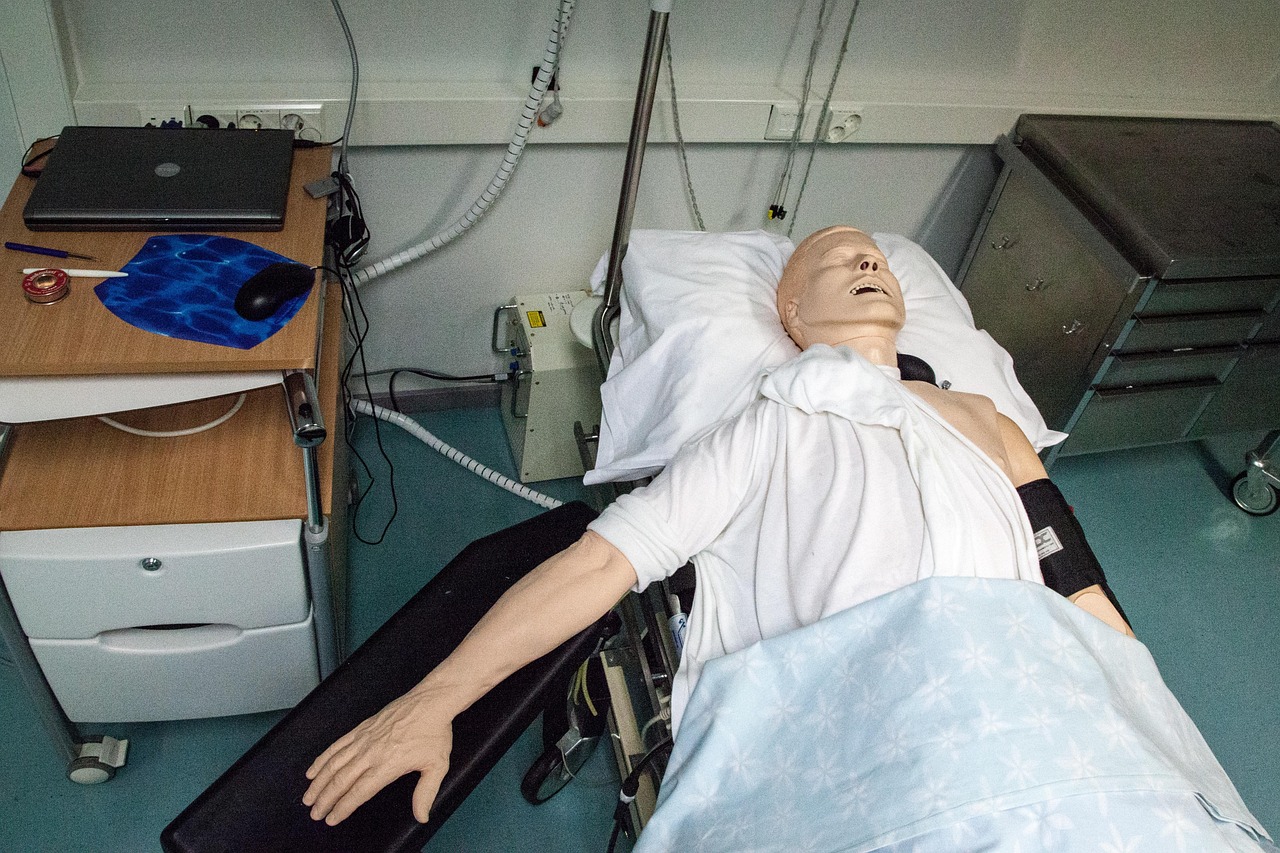
What usually gets trimmed in a fast first aid or express CPR course?
Extended theory. You will certainly get the vital "why," but not a complete lecture in composition. The majority of adults do not need detailed heart physiology to press hard and fast in the center of the chest.
Niche situations. Complex ecological emergency situations, chemical direct exposures, or highly certain work environment threats commonly call for specialist first aid training or separate modules.
Long method on every variation. You may practice CPR on a grown-up manikin and just see a demo of baby CPR, or vice versa, depending on the course. That may be fine for a white-collar worker, yet not for a person functioning daily with babies.
Assessment deepness. Lots of fast certification programs make use of continuous monitoring as opposed to prolonged formal examinations. This can be more humane and still valid, however it indicates you have to remain engaged from the very first practice drill to the last.
Be clear regarding your needs. If you work on a building and construction website, overseas center, or remote residential or commercial property, or you supervise children with clinical problems, a common fast first aid course near you may not cover all the scenarios you deal with. You can still do the one‑day course for a strong structure and afterwards add targeted modules.
I have had students show up anticipating a fast first aid course to make them "nearly like a paramedic." That is not what a one‑day course can or need to do. It can make you a proficient, tranquil bystander who gets vital time for a casualty till professionals arrive.
Who A Fast-Track First Aid Course Matches Best
People select first aid and CPR training for extremely different reasons. For some, it is a workplace requirement. For others, the inspiration is extremely personal after observing an emergency.
A fast first aid course is generally a great fit if you identify on your own in a minimum of one of these summaries:
You are time‑poor yet inspired, and can devote to a solitary, nonstop day instead of several evenings. You require a first aid certificate swiftly for a work application, volunteer setting, or conformity deadline. You already have some direct exposure to emergencies, such as medical care aides, coaches, or lifeguards, and need structured CPR training and an identified credential. You like intensive learning to slow down drip‑feed classes, and you are comfortable remaining focused for a complete day. You are renewing existing skills through a fast CPR refresher course or express first aid refresher and mostly need upgraded standards and practice.Where a one‑day format may not be optimal is for learners with substantial language obstacles, literacy difficulties, or solid anxiousness around clinical subjects. I have actually seen extremely qualified people panic in a single‑day course simply because the speed felt relentless.
In those situations, a multi‑day or evening style with even more constant breaks, smaller teams, or additional language support can make the distinction in between scuffing through and leaving genuinely capable.
Anatomy Of A Well-Designed Fast First Aid Day
Not all fast first aid courses are equivalent. The very best ones feel structured yet not rushed, useful rather than academic, and remarkably stimulating regardless of the hefty content.
A regular express first aid training day that hits the mark usually looks something like this.

The early morning begins with scene safety and the general first aid method: look for risk, introduce yourself, obtain authorization where ideal, and call for aid early. You may walk through a few quick situations as a group, learning just how to pass on jobs like calling emergency services or bring an AED.
From there, you relocate into CPR training. Excellent first aid and CPR training classes keep theory tight and after that promptly place you on the flooring with manikins. You practice breast compressions, rescue breaths if included in your region's guidelines, and AED use basically, repeated blocks. Feedback devices, if offered, offer you real‑time details on depth and rate of compressions. By late early morning you should have completed a number of rounds with training and corrections.
Late early morning usually brings choking management, the recovery setting, and standard airway monitoring. Here the trainer's experience matters. People learn faster when they see exactly how these abilities play out in messy actual scenarios, not just perfect textbook cases.
The afternoon generally changes to blood loss, injuries, shock, burns, cracks, and typical medical emergencies. An experienced fitness instructor uses circumstances: probably a substitute loss from a ladder with suspected spinal injury, or a co‑worker discovered puzzled and perspiring at their desk. You work through what you would certainly claim and do, not simply which box to tick on a form.
Toward the end of the day, there need to be time for debt consolidation: brief functional evaluations, questions, and explanation of what you are and are not anticipated to do as a very first aider. A good instructor leaves you with practical borders. You do not diagnose, recommend medicines, or change medical care. You provide prompt, reasonable assistance, and you recognize when to step back as experts take over.
For an express childcare first aid course, the same arc applies but with child‑specific variations. Baby choking, child CPR, allergic reactions to foods, and handling a subconscious kid are exercised much more extensively. In my experience, childcare workers value role‑playing discussions with anxious parents nearly as much as the physical methods, and a good course makes area for that.
How To Select The Right Fast First Aid Course
Typing "fast first aid course near me" into an online search engine will certainly give you a lengthy list of carriers, some superb, some average. A shiny web site does not equal solid first aid training.
Look for a few functional pens of quality.
First, check accreditation. Is the supplier acknowledged by the relevant national body, wellness authority, or sector regulatory authority? For workplaces, your security police officer or human resources team will usually understand which first aid courses and first aid and CPR courses satisfy your legal requirements.
Second, examine the course summary. It ought to clearly provide first aid and CPR, AED use, hemorrhaging control, and major medical emergencies. If the summary is obscure, with more advertising phrases than specifics, that is a caution sign.
Third, ask about trainer experience. The most effective fitness instructors blend professional or first aid course Salisbury area background with mentor ability. A paramedic who can not connect plainly will not serve you well, however nor will an instructor who has actually never ever remained in an actual emergency.
Fourth, understand the learning style. A blended express first aid course with pre‑course on the internet modules permits much better use your face‑to‑face time. Pure classroom fast first aid training can still be great, yet a lot more relies on the instructor's discipline.
Finally, make clear the certification. Make certain the first aid certificate is valid for the period you require, typically 2 or three years, which it is identified for your specific field. Some roles, particularly in child care and health care, need specific sorts of first aid and CPR course, such as express childcare first aid courses with pediatric emphasis or innovative resuscitation for clinicians.
If a service provider can not respond to those inquiries clearly, maintain looking.
How To Prepare So One Day Really Counts
A one‑day express first aid or express CPR course compensates preparation. Also a little work in breakthrough minimizes anxiety during the course and allows you concentrate on hands‑on method as opposed to note‑taking.

Here is an easy prep work checklist that I have seen make an actual difference for students:
Read any type of pre‑course products and complete online modules prior to the training day, not throughout breaks. Sleep effectively the night before and get here well‑hydrated and fed; physical practice, specifically CPR, is strenuous. Wear comfortable clothes that lets you kneel on the flooring, action freely, and apply bandages without fuss. Think about your actual environment, such as workplace, health club, or childcare facility, and bring questions concerning situations you may actually face. Clear your schedule as long as feasible so you are not sidetracked by work calls or messages during the day.I when had a supervisor attend with their laptop computer open close to the manikin, attempting to react to emails in between compressions. They passed the course, however they later on confessed they retained much much less than associates who had actually changed their phones off and committed completely to the training. A fast course demands presence.
What "Fast Certification" Really Purchases You
People frequently discuss fast certification as if the certificate itself is the objective. The card or digital record is essential in workplaces, particularly for compliance, but the real worth is different.
First, it provides you a shared language with emergency services. When you call an ambulance and can claim clearly, "The patient is unconscious, not taking a breath usually, we have started CPR, AED affixed," you quicken the decision‑making on their side.
Second, you get the confidence to act despite adrenaline. The first genuine emergency after a first aid course never ever looks neat. It could be a relative dropped on the couch, a stranger in a parking area, or a kid on a sports area. Training does not remove the shock, yet it provides your brain a manuscript to follow when every little thing really feels chaotic.
Third, there is a causal sequence. In offices where a number of people complete fast first aid courses or express CPR training together, security society improves. People notice risks previously, speak out about dangers, and intervene earlier when somebody appears unwell.
I keep in mind one office where a staff member had a seizure. Two staff that had actually just recently completed a fast first aid first aid Gold Coast and CPR course handled the scene efficiently till paramedics got here. Weeks later on, others in the office asked to publication into the following offered class. They had seen the distinction training made.
Keeping Abilities Alive After A One-Day Course
The most significant weakness of any type of fast first aid course is not the course itself, but what takes place afterward. Without technique, abilities decay. That is not a viewpoint, it is well documented. Within months, CPR top quality begins to drop, and within a year many individuals lose self-confidence in their capability to act.
You can counter this without residing in a classroom.
Revisit your course book or electronic resources every couple of months, also for 20 mins. Enjoy brief CPR training video clips from credible companies and stalk the movements in the air.
Make a routine of psychological rehearsal. When you see a jampacked occasion, imagine just how you would call for aid or discover an AED. When you go through your workplace, notice where first aid sets and defibrillators are located.
If your supplier offers brief fast CPR courses or express CPR courses as standalone refresher courses, consider signing up with one mid‑way via your certificate duration. These fast CPR or fast cpr refresher courses typically concentrate heavily on practice and updated guidelines.
For those in duties with higher exposure to emergencies, such as safety, fitness trainers, or childcare specialists, organizing express childcare first aid training or first aid and CPR training classes every year keeps abilities sharp. Even if your certificate stands for longer, yearly refreshers are a sound investment.
The factor is simple: the one‑day investment on your schedule is the beginning, not the whole story.
Realistic Expectations On The Day
Anticipating just how a fast first aid course will certainly really feel helps you pace yourself.
You ought to expect to be literally tired by the end. Carrying out multiple rounds of CPR on a manikin takes initiative. Kneeling, flexing, and relocating people right into the healing setting uses muscular tissues many of us forget in workdesk jobs. That is typical and component of the learning.
You may also discover some content psychologically hefty. When we go over cardiac arrest, significant injuries, or kid emergency situations, individuals often recall personal experiences. A great instructor will offer room for that and sign in with the group. If you require a short break or feel overloaded, say so. That is not a weak point, it is self‑care.
You are not anticipated to bear in mind every technical detail perfectly. What matters is that you entrust to a clear procedure in your go to the most crucial situations. For instance: inspect safety and security, check action, shout for aid, open respiratory tract, check breathing, start CPR, send out for AED. Rep during the course wires that sequence in.
Trust the process, ask questions, and focus on doing instead of attempting to jot down every word.
Bringing It Back To Why You Are There
Behind every enrolment kind for a fast first aid or express CPR course, there is typically a story.
Sometimes it is practical. You require first aid and CPR for a coaching role, or your employer needs first aid and cpr training classes for health and wellness conformity. Occasionally it is deeply personal. A parent enroll in an express childcare first aid course after their child had a frightening febrile seizure. A colleague joins a fast cpr course since a previous incident left them feeling helpless.
Whatever your factor, a fast first aid course is just one of the most effective uses of a single day you can select. It transforms vague fear right into concentrated ability. It gives you a clear, practiced response when a person around you has the most awful five minutes of their life.
Pick your company thoroughly. Prepare enough that your mind is free to involve. Deal with the day as the beginning of an ability, not a one‑off hurdle. Your future self, and possibly somebody you have never ever satisfied, might eventually be extremely happy you did.